Luna-27 soll Wasser auf dem Mond suchen
Russland und EU planen für 2020 gemeinsame Mission. Sonde soll auf dem Südpol des Erdtrabanten landen.
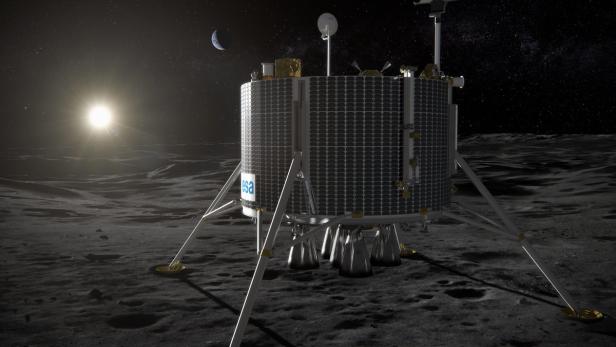
© APA/EPA/ESASo könnte der ESA-Lunar-Lander auf der Mondoberfläche aussehen.
Russland und die europäische Raumfahrtagentur Esa planen eine gemeinsame Mission zur Suche nach Wasser auf dem Mond. Bei dem für 2020 geplanten Projekt „Luna-27“ soll eine spezielle Sonde auf dem Südpol des Erdtrabanten landen, teilt James Carpenter von der Esa mit. Die Esa leiste als Juniorpartner etwa Hilfe bei der Navigation.
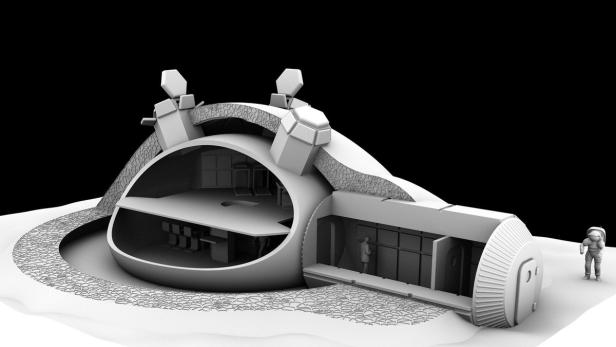
© APA/EPA/ESA / Foster + Partners
epa04980503 A handout picture made available by the European Space Agency (ESA) on 17 October 2016 shows an artist's impression of a possible lunar base. Setting up a future lunar base could be made much simpler by using a 3D printer to build it from local materials. For ESA's 3D-printed lunar base concept, Foster+Partners devised a weight-bearing ëcatenaryí dome design with a cellular structured wall to shield against micrometeoroids and space radiation, incorporating a pressurised inflatable to shelter astronauts. According to news reports on 17 October 2015 ESA and the Russian Space Agency Roscosmos plan to send a lander to the Moon's South Pole to explore the feasability of a permanent human settlement on the Moon. The first mission, a robotic lander called Luna 27, is meant to search for water, oxygen and fuel and planned to take off in 2020. EPA/ESA / Foster + Partners HANDOUT EDITORIAL USE ONLY/NO SALES
In
Moskau hieß es, das Projekt solle auch ein erster Schritt für den Aufbau einer ständigen Basis werden. „Auf dem Mond existieren fast alle Ressourcen, die auch auf der Erde gefunden wurden“, sagt der Wissenschaftler
Igor Mitrofanow. Bei „Luna-27“ handele es sich im Grunde um die Fortsetzung eines sowjetischen Programms von 1976.
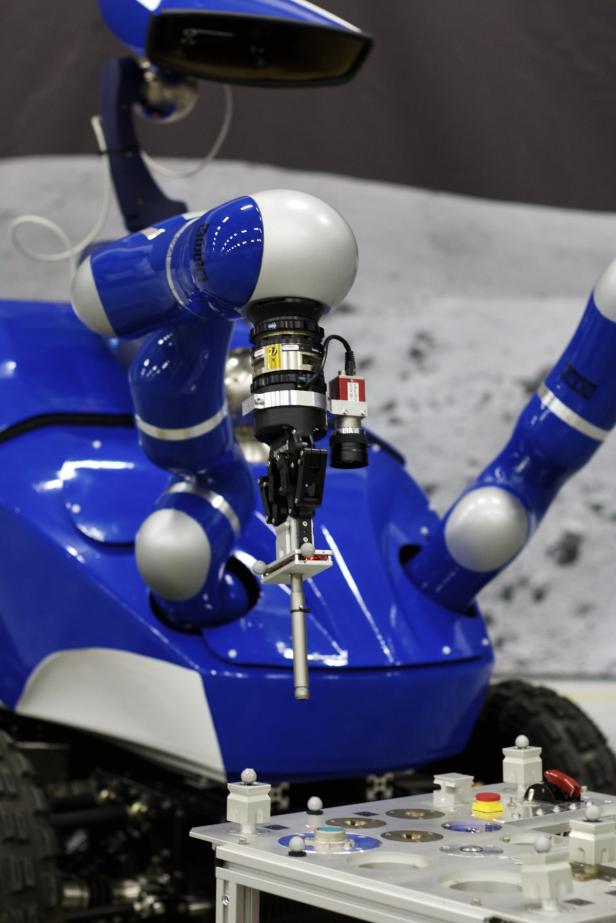
© APA/EPA/ESA/Telerobotics & Haptics Laboratory
epa04980505 A handout picture made available by the European Space Agency (ESA) on 17 October 2016 shows the Interact Centaur Rover, designed and manufactured by the ESA Telerobotics and Haptics Lab, approaching a task board to demonstrate a mechanical assembly task though teleoperation from space to ground, in Nordwijk, the Netherlands, 28 August 2015. According to news reports on 17 October 2015 ESA and the Russian Space Agency Roscosmos plan to send a lander to the Moon's South Pole to explore the feasability of a permanent human settlement on the Moon. The first mission, a robotic lander called Luna 27, is meant to search for water, oxygen and fuel and planned to take off in 2020. EPA/ESA/Telerobotics & Haptics Laboratory JUiMGibZTkKzArvT5zFcvg HANDOUT EDITORIAL USE ONLY/NO SALES
Das Projekt sei „technologisch weit fortgeschritten und gut vorbereitet“, meint ein Mitarbeiter der deutschen Raumfahrtbranche, der namentlich nicht genannt werden will. „Der
Südpol des Mondes ist unerforscht. Niemand war dort. Die Kooperation der Esa mit der russischen Raumfahrtbehörde Roskosmos ist gut etabliert.“
Europas Raumfahrtchef Jan Wörner hatte sich vor kurzem trotz der aktuellen Ost-West-Krise für eine enge Zusammenarbeit mit Russland ausgesprochen. „Gerade in Zeiten irdischer Krisen ist die Raumfahrt als Brückenbauer aktiv“, sagt der Esa-Generaldirektor.
Kommentare